Our Committees
We develop our funding and policy positions by working very closely with Principals and other senior staff in our higher education institutions.
Our policy committees cover three broad areas and meet regularly four or five times a year. They are led by two Principals in the role of chair and vice-chair and all of our 19 members are represented. The conveners are nominated by their peers for two years with the possibility of one re-election.
Our committees make recommendations on policy which pass to the Main Committee of all Principals to be discussed and decided upon.
We also have a number of smaller policy groups to focus on other issues. The membership of these groups can include Finance Directors, Head of Planning, Secretaries, Heads of External Affairs and others, depending on the group’s focus. They are always led by a Principal. Policy groups will always be representative of the sector’s diversity but not every university is necessarily a member.
Our Strategic Plan for 2021-2024 outlines how we will help our members achieve their shared vision for higher education. The strategy is guided by four main themes: ambition; the common good; trust; and new ways of working. These priorities will shape what we deliver for members.
Learning and Teaching Committee
Convener: Professor Steve Olivier, Principal and Vice-Chancellor, Robert Gordon University
Vice Convener: Professor Liz Bacon, Principal and Vice-Chancellor, Abertay University
Current priorities:
- Leading engagement with the development, implementation and evaluation of the Tertiary Quality Enhancement Framework, and with the quality assurance and enhancement agenda more broadly.
- Monitoring and leading engagement with UK and European quality and regulatory developments that may have implications for the Scottish sector.
- Contributing relevant insights and expertise to the Future Framework for the Sustainability and Success of Scotland’s Universities.
- Demonstrating the range and value of sector contributions to skills provision in Scotland, including through Graduate Apprenticeships, upskilling and reskilling programmes, and employer engagement in learning, teaching and assessment.
- Engaging with the Scottish Government’s ongoing education reform agenda as this relates to learning and teaching.
You can read the full committee membership here.

Research and Knowledge Exchange Committee
Convener: Professor Nick Forsyth, Senior Vice Principal (Acting) and Vice Principal (Research), University of Aberdeen
Vice Convener: Professor Eileen Wall, Head of Research, SRUC (Scotland’s Rural College)
Current priorities:
- Contributing relevant insights and expertise on research, innovation, and knowledge exchange to the Future Framework for the Sustainability and Success of Scotland’s Universities.
- Developing Universities Scotland’s policy position on issues such as SFC R&I Funding, the future of the Research Excellence Framework, and the European Union’s research framework programme.
- Maximising the opportunities for Scottish institutions to leverage research funding from sources including UK Research and Innovation (UKRI), charities, industry, and the Horizon Europe programme.
- Representing the Scottish sector’s interests in the development and implementation of key Scottish and UK government innovation policy frameworks.
RKEC is supported by sub-groups, which provide expert advice to the committee and act as crucial collaborative fora across the higher education sector.
- REF Managers’ Group supports institutional preparedness and responses to research assessment exercises, and provides advice to RKEC and other relevant bodies, including funders such as UKRI and the Scottish Funding Council, on policy and implementation of the Research Excellence Framework (REF).
- Research and Innovation Directors’ Group brings together senior practitioners from Scottish universities to achieve shared aims and propose policies and initiatives to enhance the HEI sector’s performance in research, knowledge exchange, innovation, and impact, and in turn help Universities Scotland make the case for the importance of the HEI research and innovation sector in Scotland.
- Researcher Development and Culture Group is responsible for developing strategies, policies and/or initiatives that are informed by practice, to ensure provision of high-quality researcher development and training opportunities and promotion of positive research cultures initiatives across Scotland’s universities.
You can read the full membership here.
International Network
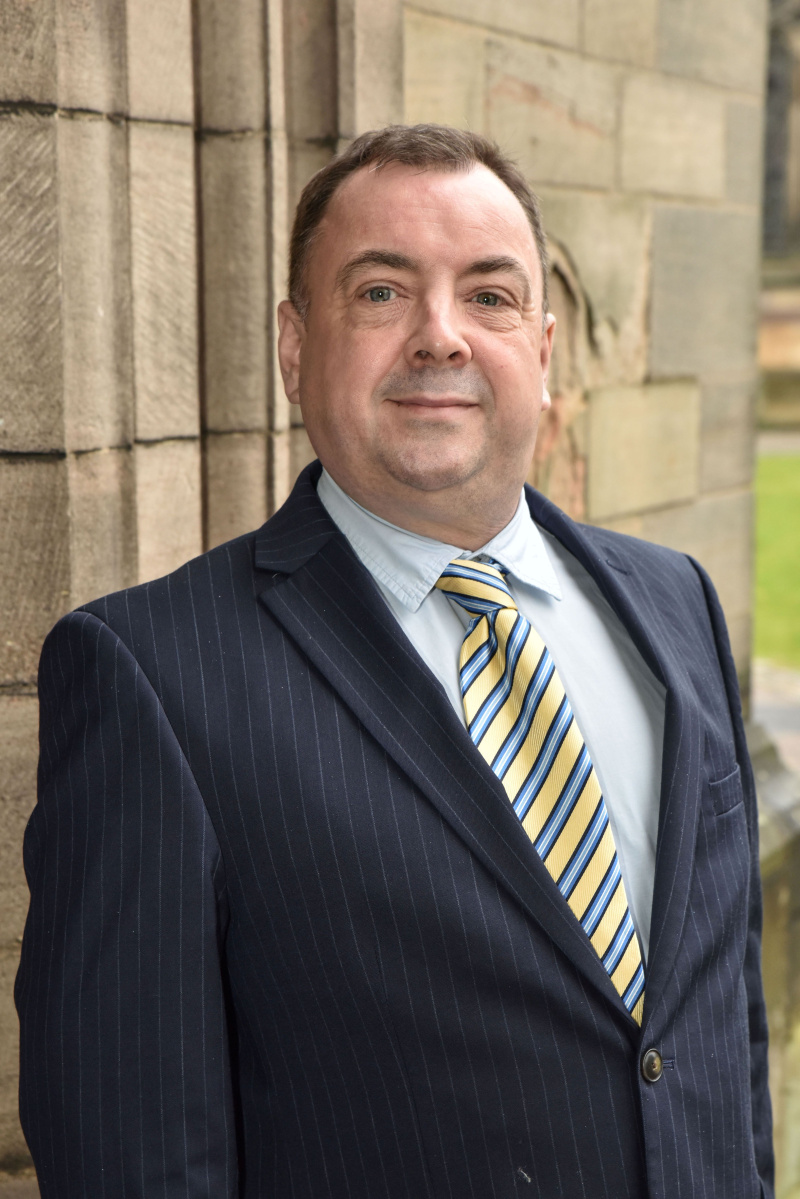
Lead Member: Professor Dame Sally Mapstone, Principal University of St Andrews.
Vice Lead Member: Professor Rachel Sandison, Deputy Vice Convener (External Engagement), University of Glasgow.
Current Priorities:
- Ensuring that Scottish universities can maximise opportunities presented by a refreshed UK International Education Strategy and that the Scotland remains a partner of choice for international education, research and industry partnerships (with the Scottish HE international partnerships group (SHEIPG) and US RKEC).Support Scottish universities to mitigate the impact of immigration changes stemming from the UK Government’s Immigration White Paper.
- Supporting the Scottish Government in implementation of their International Education Strategy including the “Destination Scotland” marketing campaign that promotes Scotland as a destination to study (with the US Branding Subgroup and Brand Scotland) and the Connected Scotland Partnership that promotes Scottish higher education internationally through events.
- Enhancing the visibility and impact of Scotland’s Migration Service (SMS) to grow international graduate employability and employment within Scotland.
You can read the full membership here.
Funding Policy Committee
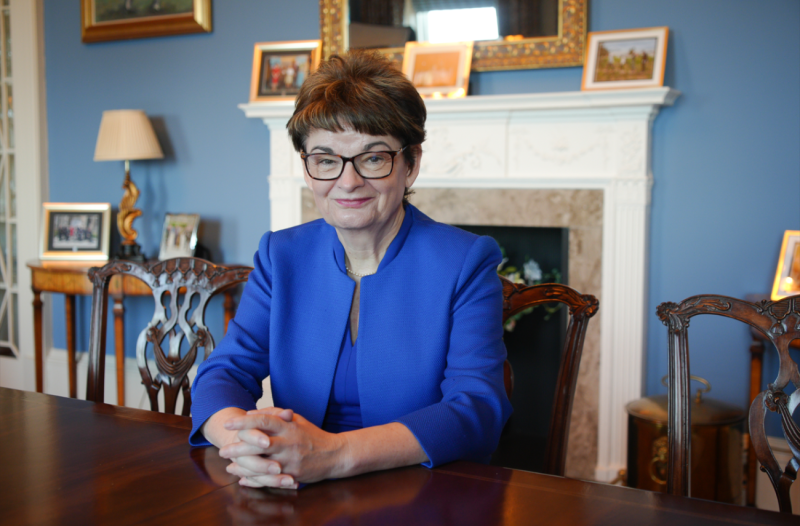
Convener: Professor Penny Macbeth, Director, Glasgow School or Art.
Current Priorities:
- Long-term sustainable funding for the sector so that it can support both individual’s ambitions to learn and transformation of the economy.
- Responding to the outcomes of the Purpose and Principals Statement and related policy frameworks published over the summer of 2023 as they affect funding, accountability and the broader sustainability of the higher education sector.
- Influencing the Scottish Government’s “reform” agenda to support the success of higher education institutions and enables continuation of quality in the challenging public funding climate.
You can read the full membership here.

Admissions Policy Group
Convener: Professor Nazira Karodia, Deputy Vice Chancellor, Edinburgh Napier University
Vice Convener: Ms Shona Paul, Head of Professional and Continuing Education, Glasgow School of Art
Current Priorities:
- Leading sector work to continue widening access via admissions, with a focus on part-time learners, disabled learners and learners from rural and remote areas, and the ongoing development of access measures.
- Enhancing transparency and consistency in admissions across the sector through improved information, advice and guidance.
- Contributing to UK-wide developments in admissions policy and practice, including UCAS’ ongoing work to reform the application process and applicant journey more broadly.
- Working to understand and address challenges around student retention and success.
- Contributing insight and expertise to support engagement with the project to develop a national system of RPL (Recognition of Prior Learning) in Scotland, and the Future Framework for the Sustainability and Success of Scotland’s Universities.
You can read the full membership here.
Secretaries Group
The Secretaries Group is not one of Universities Scotland’s Committees however Universities Scotland and the Secretaries Group have worked closely together for a number of years. The Secretaries Group is a professional network of staff with responsibility for effective governance and for management of professional services.
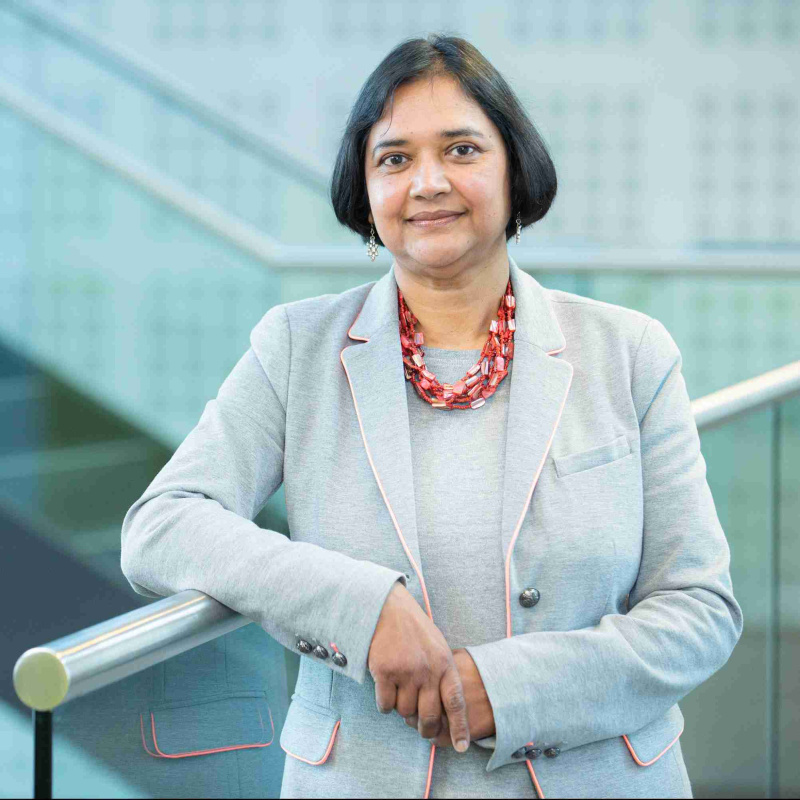
Convener: Dr Stuart Fancey, University Secretary, University of Strathclyde.
Current Priorities:
- The Group considers sector governance and regulatory issues, sector-led enhancement and responding to proposals for change from government.
You can read the full membership here.