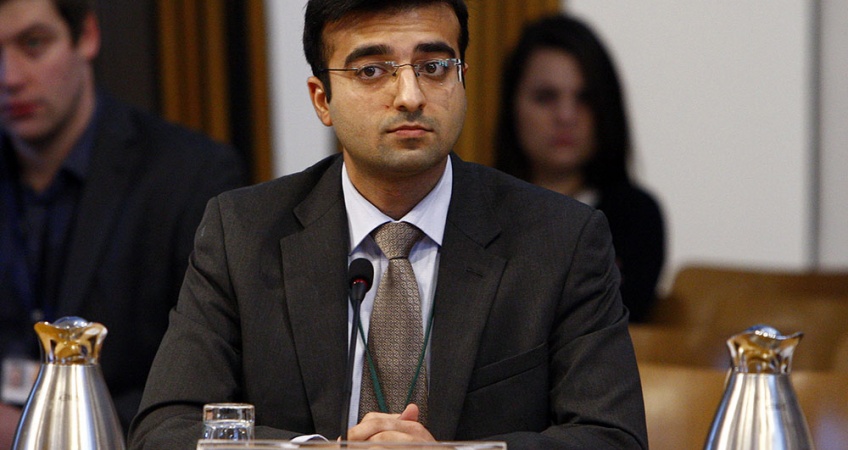
Maulin Buch came to Scotland from India to study at the University of Glasgow. After graduation he converted to the Fresh Talent visa that was available to international students in Scotland between 2004-2008. It allowed him up to two years to find a ‘graduate level’ job and settle into a career path in Scotland. Maulin comments…
News

January
12
2016
Universities Scotland comments on the Scottish Government’s response to Committee’s Stage 1 report on the Higher Education Governance (Scotland) Bill
Universities Scotland has commented today (12 January) following the publication of the Scottish Government’s response to the Scottish Parliament’s Education and Culture Committee’s Stage 1 Report on the Higher education Governance (Scotland) Bill. A Universities Scotland spokersperson said: “The Government’s response gives the strongest indication yet that it is minded to remove the sections…
December
21
2015
Universities Scotland ready to work with Scottish Government to support more Scottish students into postgraduate study opportunities
Universities Scotland has today [Monday 21 December] welcomed the publication of the Taught Postgraduate Study Working Group’s report. The report is clear that increased postgraduate-level study by Scottish-domiciled students will help drive the creation of a high-skill economy and well as enhancing individuals’ opportunities. However, participation by Scottish-domiciled students has flatlined in recent years, for…

December
15
2015
Universities Scotland responds to the Scottish Government’s Draft Budget 2016-17
Responding to the publication of the Scottish Government’s Draft Budget 2016-17, Universities Scotland’s Convener, Professor Sir Pete Downes, said: “The Scottish Budget proposes what we recognise as a good outcome in a time of severe financial challenges. “We respect the approach the Deputy First Minister has taken with us, which has been to work…
November
14
2015
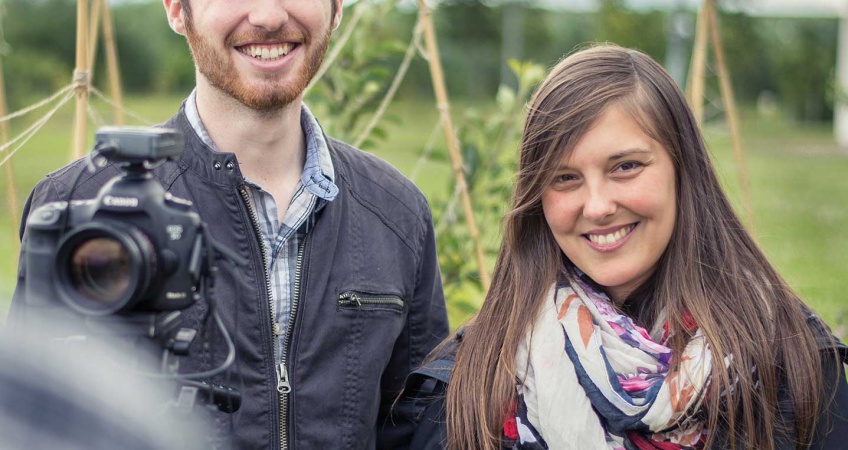
Lara Findlay & Josh Carson of Geared App share their experience as graduate entrepreneurs
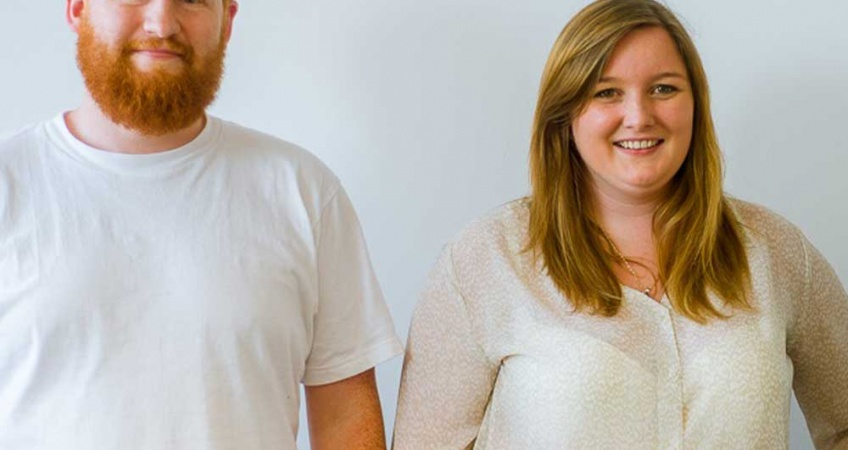
It was a real pleasure to meet Lara & Josh at our Making it Happen event on entrepreneurship in November. They shared their experience as graduate entrepreneurs with everyone who came to the event and kindly offered to put their words together in a blog. Lara: “GearedApp first started life in 2013. Our team came together…
November
12
2015
Universities Scotland welcomes interim report from the Commission on Widening Access
Universities Scotland welcomed the interim report from the Commission on Widening Access, as published today [Thursday, 12 November], and repeated its support for the Commission’s creative and joined-up approach to a challenge that spans all parts of our education system and society. Responding to the interim publication, Professor Pete Downes, Convener of Universities Scotland and…
November
10
2015
Universities take a Can Do approach to entrepreneurship
Universities launched a new cross-sector commitment and action plan today [Tuesday, 10th November] intended to increase both the scale and impact of their contribution to enterprise and entrepreneurship in Scotland. Making it Happen, sees all 19 higher education institutions come together to agree a commitment and set of eight actions that intend to grow the…

November
03
2015
Committed to transparency & integrity in our public affairs
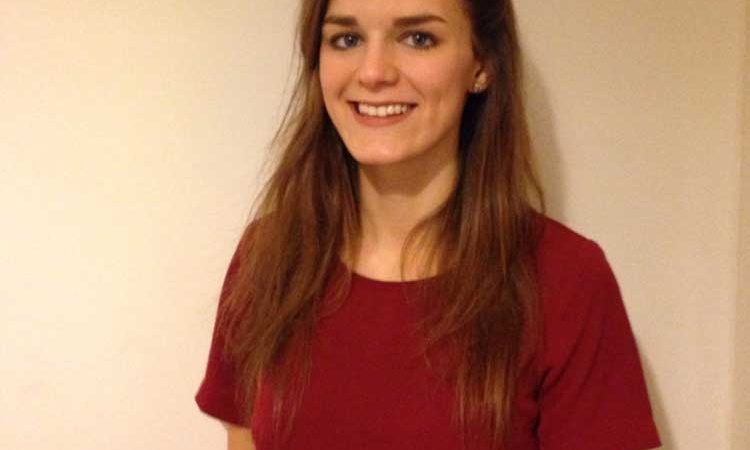
Susannah Lane, Head of Public Affairs, looks ahead to the launch of Universities Scotland’s new website and the opportunities it provides to share more information about our engagement with Holyrood and Westminster. Susannah: Late next month we plan to go live on our new website. After seven years (seven years!) with our existing one we’re…
October
20
2015
Reach made the difference in applying to medicine
I’m Alice Holden, a third year medical student at Aberdeen University and I’m originally from a little village outside Fort William on the west coast of Scotland. Studying medicine is something that appealed to me at a fairly young age, which may sound cliché, but through various experiences in my life I became aware of…

October
01
2015
Strong performance by Scotland’s universities in the Times Higher Education World University Rankings 2015/16
Universities Scotland has today, Thursday 1 October, welcomed the publication of the Times Higher Education World University Rankings 2015/16 which includes five Scottish institutions ranked in the world’s top 200 – more per head of population than any other nation. Universities Scotland’s Director, Alastair Sim said: “Scotland now has more universities in the world’s top 200 per…